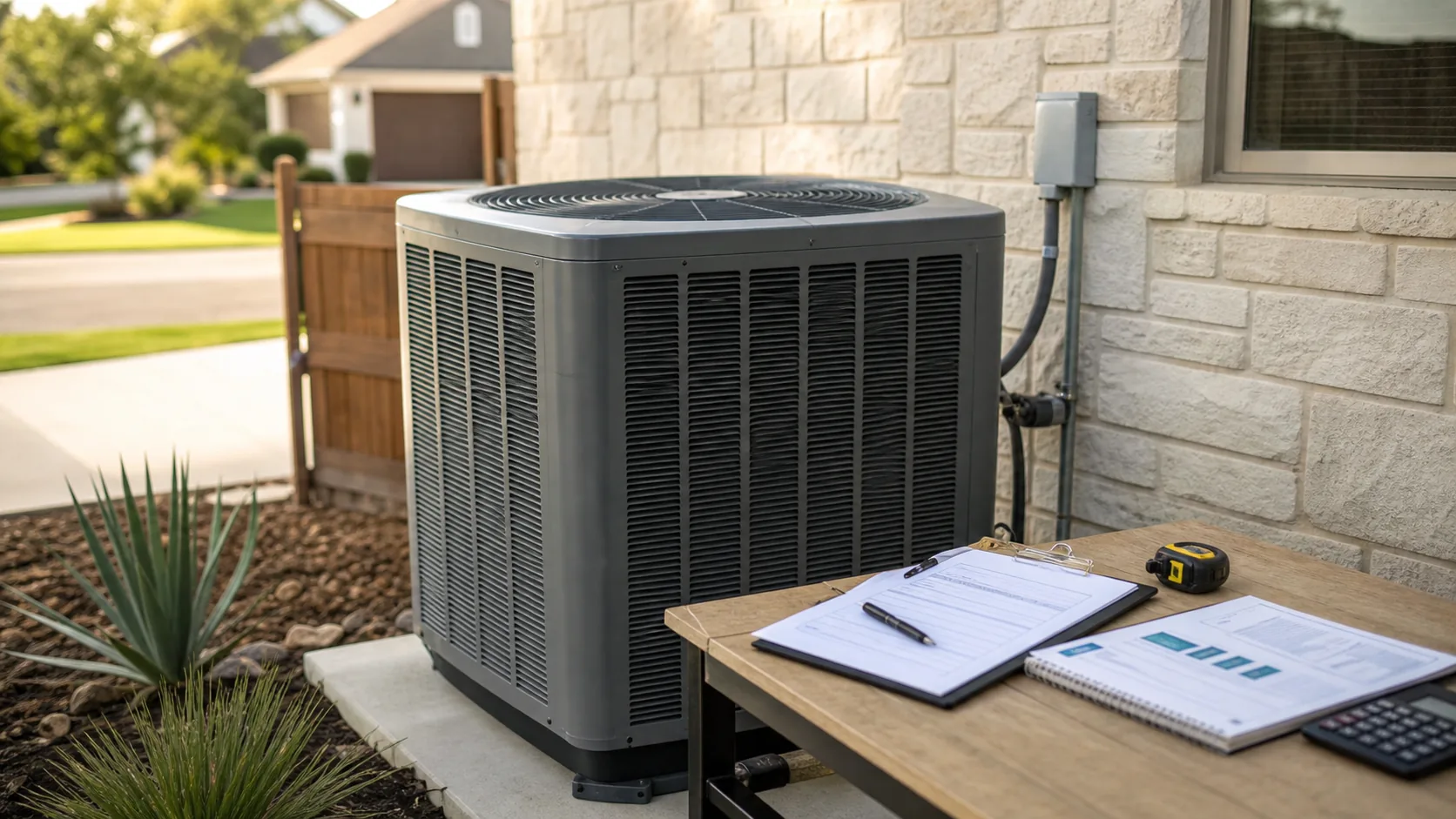
Utility rebates are tied to local program rules
A utility rebate may depend on the service address, account status, equipment type, installation date, program budget, and required forms.
Local programs can change rules, pause funding, or require documentation that is not obvious from a general equipment category.
Tax credits follow tax rules
Tax credits are handled separately from utility rebates and may require different records. Homeowners should consult current IRS guidance and a qualified tax professional when needed.
Federal 25C tax credits were available for qualifying heat pump, heat pump water heater, and HVAC projects placed in service through December 31, 2025. Federal tax credit availability for 2026 and beyond may have changed. Always verify current rules directly with the IRS at irs.gov before making purchasing decisions.
Documentation can overlap but should be organized separately
Invoices, model numbers, proof of payment, product labels, permits, and installation dates may matter for both rebate and tax records.
Keep a clear folder for local rebate application records and another folder for tax-related records so details are not lost later.
Eligibility is never automatic
A product may be efficient without qualifying for every program. A home may be in one city but served by a different utility. A project may qualify for one incentive but not another.
Always verify official rules before signing, purchasing, or assuming that a project will receive money back.